

 Bibliografia Videoludica |

Benvenuto Visitatore(Log In|Registrati)
  |
 4 Jun 2007, 12:35
Messaggio
#76
|
|
  Gruppo: OldGamer Messaggi: 1.092 Iscritto il: 14 February 06 Da: Piacenza Utente Nr.: 2.051 busy librarian BGE DOTT Playing Batman: Arkham Asylum SO WinVista OGI Supporter  |
 Dal sito del libro:  CITAZIONE The Videogame Style Guide and Reference Manual. WRITE LIKE A PRO Journalists, stop playing guessing games! Inside the answers to your most pressing questions await: * Videogame, one word or two? * Console or system? * Xbox, XBox or X-box? * What defines a good game review? Fitting neatly between The AP Stylebook and Wired Style, and formally endorsed by Games Press, the ultimate resource for game journalists, The Videogame Style Guide and Reference Manual is the first volume to definitively catalogue the breathtaking multibillion-dollar game industry from A to Z. Includes official International Game Journalists Association (IGJA) rules for grammar, spelling, usage, capitalization and abbreviations, plus proven tips and guidelines for producing polished, professional prose about the world’s most exciting entertainment biz. Exploring the field from yesterday’s humble origins to tomorrow’s hottest trends, biggest names and brightest stars, The Videogame Style Guide and Reference Manual contains all the tools you need to realize a distinguished career in game journalism, or go from enthusiast to editor today! Features: * CLEAR RULES FOR USAGE AND STANDARDS * HUNDREDS OF IN-DEPTH ENTRIES * NOTABLE NAMES, GAMES AND COMPANIES * COMPLETE GUIDE TO GAME CRITICISM * HISTORICAL TIMELINES Di seguito l'introduzione: CITAZIONE A Question of Style When it comes to presenting a consistent vocabulary, videogame journalism is sloppy at best. At worst, it's a complete mess. How much of a mess? Consider the term Xbox. When reproducing this seemingly simple product name in print, a writer is faced with many different stylistic decisions, including: * Whether or not to capitalize the first X * Whether or not to capitalize the B * Whether or not to capitalize the entire term * Whether or not to place a hyphen between the first X and the B * Whether or not to insert a space between the first X and the B Between these basic quandaries alone, you're looking at around 15 different ways of describing something as simple as the name of Microsoft's first videogame system. And that's not counting the totally wacky capitalizations (Ever seen it spelled "XboX?" Sadly, we have), unnecessary "scare quotes" around the name and the question of whether or not to precede it with the word "Microsoft." (And, if so, whether to do so only on the first reference or each and every time...) Unfortunately, I can assure you all of these different derivatives have been used at one time or another by innocent journalists who were either unaware or just sadly misinformed. I've been writing about videogames in some form or another for nearly 10 years now, and reading about them for almost twice as long. I'll admit, though, I rarely ever noticed such stylistic inconsistencies until I began taking college journalism courses where I was exposed to the Associated Press (AP) Stylebook. The AP Stylebook, for those not in the know, is designed to arbitrate all those little arguments concerning how to properly utilize the written word (like Presidents Day vs. President's Day vs. Presidents' Day), and it was the AP Stylebook that made me start to take a more critical look at the paragraphs and sentences that fill up videogame magazines and websites. Things that once seemed like minor quibbles (for example, the fact that "console" and "system" were always used interchangeably) started to get under my skin. I began to wince while reading my favorite magazines. I even remember stumbling across a review where "Xbox" was spelled three different ways in the very same paragraph. Unfortunately, these sorts of inconsistencies are all too commonplace in our industry. From the most respected magazines to the most obscure websites, from enthusiast fanzines to consumer publications, these editorial gaffes abound. So where can we turn? The AP Stylebook features separate sections for business, sports and Internet journalism, but is of little use for videogame-specific issues of style. Wired magazine's Wired Style guide includes a few videogame terms, but it can't tell you when to use "power-up" and when to use "item." If we, as journalists, ever want to see these questions answered, we're going to have to answer them ourselves. I imagine some of you are thinking, "Lighten up! It's just videogames. Punctuation and grammar are for squares. Who cares how to capitalize Xbox -- the reader will know what you mean. Take five Xanax and call me in the morning!" So why bother with all of this? I'll tell you why: A consistent style helps engender trust from readers, and, on a larger scale, lend legitimacy to our industry. Imagine an average, well-educated videogame player who has never read a game magazine wants to browse a few reviews of recent releases. He/she reads one publication that says the game has great "cut-scenes," then skims another publication that claims the disc's "FMVs" are excellent. A third, in turn, goes on to praise the title's "cinematics." Sure, the reader can probably use contextual clues to infer that all three articles are essentially saying the exact same thing. At the very least though, this inconsistency makes these stories harder to read. The reader might also stop to wonder: Why is it that three different publications, each supposedly penned by industry experts, can't agree on a name for the short animated movies interspersed throughout most of today's games? Over the years, avid gamers have developed a sort of organic shorthand that is perfectly clear to them, but perfectly incomprehensible to a larger audience. This jargon is standing in the way of mainstream understanding and acceptance of videogames. However you slice it, having an inconsistent style is embarrassing and detrimental to the cause of our beloved industry. Addressing these issues will inevitably build trust and respect for both our art and the emerging field of gaming as a whole. It's educational. What was the world's first videogame? If you guessed Pong, you guessed wrong. Even those familiar with gaming history tend to accidentally overlook more correct answers such as Computer Space or Willy Higginbotham's venerable Tennis for Two. But if those same people were to go on record in a major news outlet stating that Pong was the industry's true progenitor, the publication would no doubt receive sacks of angry mail from well-read enthusiasts. (Not to mention disapproving glances from the copy desk and angry phone calls from peers.) The Videogame Style Guide is also a reference manual of industry facts and trivia for the benefit of the busy writer or editor. It's important to preserving videogame history. In 50 years, if someone looks back at an article that references "SMB," they may well wonder if the author is referring to Super Mario Bros., Super Monkey Ball, the fictitious Sega Marketing Board, or countless other terms with the same acronym. Unless properly annotated, another information seeker might potentially confuse 1989 best-seller Prince of Persia with its 2003 remake, Prince of Persia: The Sands of Time, merely because an author forgot to reference the subtitle. A standardized method for referring to definitive games and terms is essential to keeping the historical record of this growing medium comprehensive and clear. It's a reflection of the industry's current state. Has our industry evolved from its component parts of "video" and "game" to become a one-word cultural idiom unto itself? Is the phrase "interactive entertainment" anachronistic or acceptable? Is the term "man" – as in "eat the mushroom to gain an extra man" – sexist? How are "life" and "death" defined in a videogame context? Is "karaoke simulation" its own genre? As the industry evolves, these and other questions about its self-perception deserve consideration. Finally, with the proliferation of the Internet, it's more important than ever to hold all videogame writers – yes, even FAQ writers – to a higher standard. Given website message boards that drip with egregious violations of the English language and videogame FAQs so poorly penned they virtually require the help of a translator to interpret, flaunting one's ignorance is dangerously close to becoming fashionable on the Internet. Well-written prose, even in informal forums like online message boards, should be celebrated and valued. Bearing all of this in mind, we have one more principle to add: This guide is by no means written in stone. This volume is, as the title implies, simply a suggested approach to navigating previously uncharted waters. No rule featured here is without exception, and we don't expect readers to agree with all our decisions. The guide will continue to evolve, both online and in print, with regular updates and revisions that reflect the latest trends in this ever-changing industry. We welcome your comments and suggestions at [email protected]. Granted, in the grand scheme of things, chances are that the correct spelling of Xevious won't permanently change anyone's life. We realize this, of course. But good, sound writing – I'm talking about simple, sturdy sentences, free of "l33t speak," and properly punctuated – is the quickest and easiest way to share your ideas with the world. More importantly, it's also the fastest way to finding the widest possible audience, and therefore the key to becoming successful in this business. Game on. by Kyle Orland Per un periodo limitato di tempo l'ebook del libro è disponibile gratuitamente inviando un'email all'indirizzo indicato nella pagina. --------------------  |
 |
 
|


|
4 Jun 2007, 12:39
Messaggio
#77
|
|
|
Gruppo: OldGamer Messaggi: 1.092 Iscritto il: 14 February 06 Da: Piacenza Utente Nr.: 2.051 busy librarian BGE DOTT Playing Batman: Arkham Asylum SO WinVista OGI Supporter |
  Dal sito ufficiale del libro: CITAZIONE The definitive guide to mastering the essentials behind making, marketing and promoting product to the world’s most exciting entertainment business – the $13.5 billion computer and videogame industry – is here. Learn to: * TOP THE CHARTS * MAKE HEADLINES * IMPROVE REVIEW SCORES * INSPIRE MILLIONS OF FANS * ENHANCE JOB PERFORMANCE Includes: * IN-DEPTH HOW TO’S * EXPERT ADVICE * HANDS-ON FEEDBACK * PROVEN TIPS * CEO-LEVEL INSIGHT About the author Scott Steinberg is managing director of Embassy Multimedia Consultants, which counsels game industry publishers, developers and investors worldwide. The biz’s most prolific freelance author and radio/TV host, he’s covered gaming/technology for 300+ outlets from CNN to the LA/NY Times, Playboy, Rolling Stone, USA Today and TV Guide. Other ventures include software publisher Overload Entertainment and Games Press, the ultimate resource for game journalists. Il volume è anche disponibile gratuitamente in formato PDF sul sito. -------------------- |
|
|
|
|
11 Jun 2007, 16:19
Messaggio
#78
|
|
|
Gruppo: OldGamer Messaggi: 1.092 Iscritto il: 14 February 06 Da: Piacenza Utente Nr.: 2.051 busy librarian BGE DOTT Playing Batman: Arkham Asylum SO WinVista OGI Supporter |
Dal sito della casa editrice ISBN:
CITAZIONE Paul Carr, Graham Pond
Second Life. Guida turistica essenziale In uscita il 7 giugno  traduzione di Elisabetta Nifosi 220 pagine 10,50 euro ISBN 8876380693 Giugno 2007 Quello che avete tra le mani non è un libro di questo mondo. È la guida turistica per l'ultima delle destinazioni possibili: Second Life, il continente abitato dai doppi on-line di cinque milioni di esseri umani. Second Life. Guida turistica essenziale racconta la storia di un fenomeno sociale, descrive un'economia che ha già prodotto milionari e spiega come orientarsi, comportarsi, viaggiare, fare sesso o shopping in questo universo parallelo. Insomma, una guida preziosa, una specie di Virgilio digitale semplice, divertente e generoso di consigli e curiosità. indispensabile per non sentirsi tagliati fuori e non perdersi nulla di ciò che, una volta dentro, accade davvero. O per finta? Paul Carr, giornalista del Guardian, si occupa di new media e dirige la casa editrice Friday Towers. Graham Pond è giornalista, editor e capo redattore di Fridaycities.com. -------------------- |
|
|
|
|
13 Jul 2007, 13:35
Messaggio
#79
|
|
|
Gruppo: OldGamer Messaggi: 1.092 Iscritto il: 14 February 06 Da: Piacenza Utente Nr.: 2.051 busy librarian BGE DOTT Playing Batman: Arkham Asylum SO WinVista OGI Supporter |
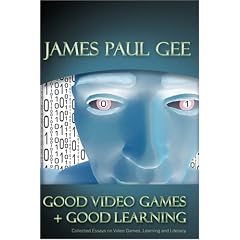 Good Video Games + Good Learning: Collected Essays on Video Games, Learning and Literacy Titolo Good Video Games + Good Learning: Collected Essays on Video Games, Learning and Literacy Autore Gee, James Paul Prezzo € 66,75 Categoria Games: Video & Electronic Rilegatura Hardcover Dati 194 p. Anno 2007 Editore Peter Lang Publishing Collana New Literacies & Digital Epistemologies -------------------- |
|
|
|
|
13 Jul 2007, 13:46
Messaggio
#80
|
|
|
Gruppo: OldGamer Messaggi: 1.092 Iscritto il: 14 February 06 Da: Piacenza Utente Nr.: 2.051 busy librarian BGE DOTT Playing Batman: Arkham Asylum SO WinVista OGI Supporter |
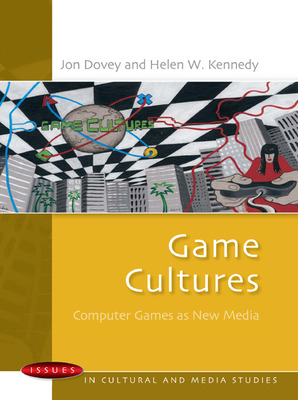 CITAZIONE Game Cultures: Computer Games as New Media
Jon Dovey, Helen W. Kennedy ________________________________________ ISBN: 033521357X, EAN: 9780335213573, Price: $43.95 US Pub Date: MAY-06, Pages: 184 Edition: 01 Format: SOFT BACK Availability: In Stock Description This book introduces the critical concepts and debates that are shaping the emerging field of game studies. Exploring games in the context of cultural studies and media studies, it analyses computer games as the most popular contemporary form of new media production and consumption. The book: * Argues for the centrality of play in redefining reading, consuming and creating culture * Offers detailed research into the political economy of games to generate a model of new media production * Examines the dynamics of power in relation to both the production and consumption of computer games This is key reading for students, academics and industry practitioners in the fields of cultural studies, new media, media studies and game studies, as well as human-computer interaction and cyberculture. Author Biography Helen W. Kennedy is Senior Lecturer and MA Award Leader in the School of Cultural Studies, University of the West of England, Bristol. Helen has spoken at a number of both academic and industry conferences on the role of women in computer games and computer games culture. She was invited speaker at the GDC Europe Academic Summit August 2003 and the Women In Games conference June 2004. Jonathan Dovey is Reader in Screen Media University of Bristol. Jonathan is also a Video Producer and digital artist, who has published on the subjects of new media and documentary studies. Table of Contents Introduction: Computer Games as New Media The Ludological Turn: What Play Theory Brings to the Analysis of New Media Why We Get the Games We Get: The Political Economy of Games Networks Of Technicity Understanding Games as `Texts' Cyborg Spectatorship: Untying the Knots of Gameplay Interventions and Recuperations -------------------- |
|
|
|
|
13 Jul 2007, 13:51
Messaggio
#81
|
|
|
Gruppo: OldGamer Messaggi: 1.092 Iscritto il: 14 February 06 Da: Piacenza Utente Nr.: 2.051 busy librarian BGE DOTT Playing Batman: Arkham Asylum SO WinVista OGI Supporter |
 Networking and Online Games: Understanding and Engineering Multiplayer Internet Games (Hardcover) by Grenville Armitage (Author), Mark Claypool (Author), Philip Branch (Author) Da Amazon.com: CITAZIONE Editorial Reviews
Book Description The computer game industry is clearly growing in the direction of multiplayer, online games. Understanding the demands of games on IP (Internet Protocol) networks is essential for ISP (Internet Service Provider) engineers to develop appropriate IP services. Correspondingly, knowledge of the underlying network's capabilities is vital for game developers. Networking and Online Games concisely draws together and illustrates the overlapping and interacting technical concerns of these sectors. The text explains the principles behind modern multiplayer communication systems and the techniques underlying contemporary networked games. The traffic patterns that modern games impose on networks, and how network performance and service level limitations impact on game designers and player experiences, are covered in-depth, giving the reader the knowledge necessary to develop better gaming products and network services. Examples of real-world multiplayer online games illustrate the theory throughout. Networking and Online Games: * Provides a comprehensive, cutting-edge guide to the development and service provision needs of online, networked games. * Contrasts the considerations of ISPs (e.g. predicting traffic loads) with those of game developers (e.g. sources of lag/jitter), clarifying coinciding requirements. * Explains how different technologies such as cable, ADSL (Asymmetric Digital Subscriber Line) and wireless, etc., affect online game-play experience, and how different game styles impose varying traffic dynamics and requirements on the network. * Discusses future directions brought by emerging technologies such as UMTS (Universal Mobile Telephone Service), GPRS (General Packet Radio Service), Wireless LANs, IP service Quality, and NAPT/NAT (Network Address Port Translation/Network Address Translation) * Illustrates the concepts using high-level examples of existing multiplayer online games (such as Quake III Arena, Wolfenstein Enemy Territory, and Half-Life 2). Networking and Online Games will be an invaluable resource for games developers, engineers and technicians at Internet Service Providers, as well as advanced undergraduate and graduate students in Electrical Engineering, Computer Science and Multimedia Engineering. From the Back Cover The computer game industry is clearly growing in the direction of multiplayer, online games. Understanding the demands of games on IP (Internet Protocol) networks is essential for ISP (Internet Service Provider) engineers to develop appropriate IP services. Correspondingly, knowledge of the underlying network’s capabilities is vital for game developers. Networking and Online Games concisely draws together and illustrates the overlapping and interacting technical concerns of these sectors. The text explains the principles behind modern multiplayer communication systems and the techniques underlying contemporary networked games. The traffic patterns that modern games impose on networks, and how network performance and service level limitations impact on game designers and player experiences, are covered in-depth, giving the reader the knowledge necessary to develop better gaming products and network services. Examples of real-world multiplayer online games illustrate the theory throughout. Networking and Online Games: * Provides a comprehensive, cutting-edge guide to the development and service provision needs of online, networked games. * Contrasts the considerations of ISPs (e.g. predicting traffic loads) with those of game developers (e.g. sources of lag/jitter), clarifying coinciding requirements. * Explains how different technologies such as cable, ADSL (Asymmetric Digital Subscriber Line) and wireless, etc., affect online game-play experience, and how different game styles impose varying traffic dynamics and requirements on the network. * Discusses future directions brought by emerging technologies such as UMTS (Universal Mobile Telephone Service), GPRS (General Packet Radio Service), Wireless LANs, IP service Quality, and NAPT/NAT (Network Address Port Translation/Network Address Translation) * Illustrates the concepts using high-level examples of existing multiplayer online games (such as Quake III Arena, Wolfenstein Enemy Territory, and Half-Life 2). Networking and Online Games will be an invaluable resource for games developers, engineers and technicians at Internet Service Providers, as well as advanced undergraduate and graduate students in Electrical Engineering, Computer Science and Multimedia Engineering. # Hardcover: 232 pages # Publisher: Wiley (June 5, 2006) # Language: English # ISBN-10: 0470018577 # ISBN-13: 978-0470018576 -------------------- |
|
|
|
|
13 Jul 2007, 13:55
Messaggio
#82
|
|
|
Gruppo: OldGamer Messaggi: 1.092 Iscritto il: 14 February 06 Da: Piacenza Utente Nr.: 2.051 busy librarian BGE DOTT Playing Batman: Arkham Asylum SO WinVista OGI Supporter |
 Sex in Video Games (Hardcover) by Brathwaite (Author) CITAZIONE Since the first computer games became available, sex has played a role in some form. But with the release of games like Playboy: The Mansion, Leisure Suit Larry, and The Singles, sexual content has gained a firm foothold and for the first time, ventured into the mainstream. Even casual games like The Sims have started to rev things up a bit, and in on-line games, tales of “cybering” have become commonplace. This “sexual revolution” in games has generated intense scrutiny of the games industry by political watchdog groups and family-oriented organizations.
And it has brought the importance of self-regulation and rating systems to the forefront of the industry. Seeking to understand this emerging trend, developers, publishers, retailers, and consumers are asking themselves: When is sex appropriate in a game? How far is too far? What will it mean for the product? For its distribution? For my company? For me? Do games with sexual content sell better? Are they generally profitable? So far, there are no definitive answers to these questions. Sex in Video Games provides insight into this issue and presents guidelines and answers by studying the history of sexual content use in games and within the industry itself. In addition, the book considers ethical issues, parental and retailer responsibility, and explores industry attempts at self-regulation, along with a growing concern about potential censorship. Features * Provides an insiders’ analysis of the sex in games issues and helps to formulate guidelines and answer questions to “Where do we draw the line?” and “Is it worth the investment?” * Includes a wide range of interviews with industry leaders and case studies on specific platforms * Discusses the history of games that feature sexual content on PC and console platforms, along with the public/industry reaction to the game * Explains the ESRB Rating System to provide a framework for the most recent effort at self-governance and regulation of sexual content in games, including previous attempts and rating systems in other countries * Explores past and present litigation with regard to censorship and the industry’s response to it * Includes an exhaustive analysis of the “hot coffee” scandal and an interview with the “hot coffee hacker” AUTHOR BIO Brenda Brathwaite (Savannah, GA) has an extensive video gaming career that spans more than 25 years and 21 published products. She is a game designer and a professor of game design at Savannah College of Art & Design, and the chair and founder of the International Game Developers Association’s Sex Special Interest Group. Her contributions to the field include design on several top-selling games such as Playboy: The Mansion, Dungeons & Dragons Heroes, and Wizardry 8, which has received many accolades including numerous RPG of the Year awards. She is a frequent speaker at universities, colleges, and conferences including the Game Developers Conference, MIT, and others. ISBN 1-58450-459-5 PRICE $39.95 PUB DATE August 30, 2006 FORMAT Hardcover - ~300 pages -------------------- |
|
|
|
|
13 Jul 2007, 14:08
Messaggio
#83
|
|
|
Gruppo: OldGamer Messaggi: 1.092 Iscritto il: 14 February 06 Da: Piacenza Utente Nr.: 2.051 busy librarian BGE DOTT Playing Batman: Arkham Asylum SO WinVista OGI Supporter |
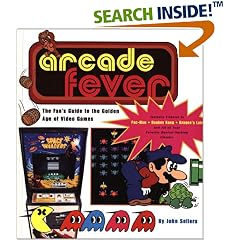 Da Amazon.com: CITAZIONE Arcade Fever: The Fan's Guide to the Golden Age of Video Games (Paperback)
by John Sellers (Author) Product details * Paperback: 160 pages * Publisher: Running Press (Sep 2001) * Language English * ISBN-10: 0762409371 * ISBN-13: 978-0762409372 * Product Dimensions: 23.1 x 20.5 x 1 cm -------------------- |
|
|
|
|
13 Jul 2007, 14:10
Messaggio
#84
|
|
|
Gruppo: OldGamer Messaggi: 1.092 Iscritto il: 14 February 06 Da: Piacenza Utente Nr.: 2.051 busy librarian BGE DOTT Playing Batman: Arkham Asylum SO WinVista OGI Supporter |
 Da Amazon.com: CITAZIONE Digital Play: The Interaction of Technology, Culture and Marketing (Paperback)
by Stephen Kline (Author), Nick Dyer-Witheford (Author), Greig de Peuter (Author) Product details * Paperback: 424 pages * Publisher: McGill-Queen's University Press (31 Jul 2003) * Language English * ISBN-10: 0773525912 * ISBN-13: 978-0773525917 * Product Dimensions: 22.7 x 16.2 x 2.7 cm Reviews Synopsis "Digital Play" offers a uniquely critical analysis of interactive media. Inspired by the work of Raymond Williams, the book traces the development of video gaming from its humble origins in hacker circles to its current status as a $20 billion global cultural industry. Stephen Kline, Nick Dyer-Witheford, and Greig de Peuter systematically debunk cyber-guru optimism about globally networked digital communications by analysing the management practices of the corporations that designed and marketed video games to youthful audiences. They reveal that the ascent of this new communications industry has been anything but smooth and inevitable. From Atari to Microsoft, Space Invaders to The Sims, the authors uncover the successive crises that forced game makers, faced with constant instabilities in the global entertainment sector, to become increasingly innovative. In a marketplace that demands perpetual upgrades, the survival of interactive play ultimately depends on the adroit management of negotiations between game producers and youthful consumers of this new medium. The authors suggest a model of expansion that encompasses technological innovation, game design, and marketing practices. Their case study of video gaming exposes fundamental tensions between the opposing forces of continuity and change in the information economy: between the play culture of gaming and the spectator culture of television, the dynamism of interactive media and the increasingly homogeneous mass-mediated cultural marketplace, and emerging flexible post-Fordist management strategies and the surviving techniques of mass-mediated marketing. "Digital Play" suggests a future not of democratizing wired capitalism but instead of continuing tensions between "access to" and "enclosure in" technological innovation, between inertia and diversity in popular culture markets, and between commodification and free play in the cultural industries. -------------------- |
|
|
|
|
16 Jul 2007, 11:07
Messaggio
#85
|
|
|
Gruppo: OldGamer Messaggi: 1.092 Iscritto il: 14 February 06 Da: Piacenza Utente Nr.: 2.051 busy librarian BGE DOTT Playing Batman: Arkham Asylum SO WinVista OGI Supporter |
 Da Videoludica: CITAZIONE Titolo: Cheating: Gaining Advantage in Videogames Autore: Mia Consalvo Casa Editrice: MIT Press Anno di pubblicazione: 2007 Lingua: Inglese Prezzo: $35 Pagine: 232 Il cheating - traducibile malamente in italiano come "imbrogliare" - è un tema controverso e di difficile definizione. Alcuni sostengono che sia parte integrante dell'esperienza ludica. Altri invere lo considerano un pratica scorretta, perfino immorale. Alcuni affermano che andrebbe sanzionato legalmente, specie nelle competizioni ufficiali. In altre parole, il fenomeno presenta innumerevoli implicazioni, implicazioni che, fino a oggi, non sono mai state esaminate in tutta la loro complessità etica, legale, sociale e tecnica. Il gap è stato finalmente colmato. Ci ha pensato Mia Consalvo, docente di telecomunicazioni presso l'Università dell'Ohio, autrice di Cheating: Gaining Advantage in Videogames. Consalvo - il cui saggio su The Sims Online era stato pubblicato in italiano nel volume Gli strumenti del videogiocare - ha realizzato un penetrante studio adottando un approccio di tipo etnografico, intervistando centinaia di giocatori per comprendere come cheat code, guide strategiche, trucchi, mod-chip e altro ancora vengono utilizzati (o rifiutati) dalla comunità videoludica. Il volume, denso, corposo, ma tutt'altro che inaccessibile, include un'analisi approfondita di Final Fantasy XI. Analizzando l'MMOG di Square Enix, Consalvo spiega in modo dettagliato le strategie usate dai giocatori per "imbrogliare" online. Rileggendo e reinterpretando le tesi di Bordieu, Consalvo sviluppa la nozione di "capitale ludico" ("gaming capital") per rendere conto delle complesse interazioni tra giocatori e i videogiochi. Negli otto capitoli del libro, la studiosa esamina l'evoluzione dei sistemi di cheating, la nascita e sviluppo delle guide strategiche, l'uso di periferiche come GameShark ed Action Replay nonchè la percezione sociale e culturale del cheating. Cheating è una preziosa storia culturale di un fenomeno molto più complesso di quanto si possa immaginare. Semplicemente imperdibile. Indice: Cheating Gaining Advantage in Videogames Mia Consalvo Acknowledgments vii Introduction: To Cheat or Not to Cheat Is That Even the Question? Download Chapter as PDF Sample Chapter - Download PDF (66 KB) 1 I A Cultural History of Cheating in Games 1 Creating the Market Easter Eggs and Secret Agents 17 2 Guidance Goes Independent The Rise of Strategy Guide Publishers 41 3 Genies, Sharks, and Chips The Technological Side to Cheating 65 II Game Players 4 Gaining Advantage How Videogame Players Define and Negotiate Cheating 83 5 The Cheaters 107 6 Busting Punks and Policing Players The Anticheating Industry 129 7 A Mage's Chronicle Cheating and Life in Vana'diel 149 III Capital and Game Ethics 8 Capitalizing on Paratexts Gameplay, Ethics, and Everyday Life 175 Notes 191 References 211 Index Download Chapter as PDF Sample Chapter - Download PDF (44 KB) 221 -------------------- |
|
|
|
|
16 Jul 2007, 11:10
Messaggio
#86
|
|
|
Gruppo: OldGamer Messaggi: 1.092 Iscritto il: 14 February 06 Da: Piacenza Utente Nr.: 2.051 busy librarian BGE DOTT Playing Batman: Arkham Asylum SO WinVista OGI Supporter |
 Dal sito della casa editrice: CITAZIONE Persuasive Games
The Expressive Power of Videogames Ian Bogost MIT Press July 2007 7 x 9, 432 pp., 50 illus. $35.00/£21.95 (CLOTH) ISBN-10: 0-262-02614-7 ISBN-13: 978-0-262-02614-7 Table of Contents and Sample Chapters Videogames are both an expressive medium and a persuasive medium; they represent how real and imagined systems work, and they invite players to interact with those systems and form judgments about them. In this innovative analysis, Ian Bogost examines the way videogames mount arguments and influence players. Drawing on the 2,500-year history of rhetoric, the study of persuasive expression, Bogost analyzes rhetoric's unique function in software in general and videogames in particular. The field of media studies already analyzes visual rhetoric, the art of using imagery and visual representation persuasively. Bogost argues that videogames, thanks to their basic representational mode of procedurality (rule-based representations and interactions), open a new domain for persuasion; they realize a new form of rhetoric. Bogost calls this new form "procedural rhetoric," a type of rhetoric tied to the core affordances of computers: running processes and executing rule-based symbolic manipulation. He argues further that videogames have a unique persuasive power that goes beyond other forms of computational persuasion. Not only can videogames support existing social and cultural positions, but they can also disrupt and change those positions, leading to potentially significant long-term social change. Bogost looks at three areas in which videogame persuasion has already taken form and shows considerable potential: politics, advertising, and education. Bogost is both an academic researcher and a videogame designer, and Persuasive Games reflects both theoretical and game-design goals. Ian Bogost is Assistant Professor in the School of Literature, Communication, and Culture at the Georgia Institute of Technology and Founding Partner, Persuasive Games LLC. Endorsements "Videogames lack the cultural stature of 'legitimate' art forms because they are widely perceived to be trivial and meaningless. But Ian Bogost makes a powerful argument that they are capable of informing and persuading as well as entertaining; in short, that they possess the power of rhetoric. Backed by numerous examples from the fields of politics, advertising, and education, Persuasive Games is an important addition to the debate over what games are, do, and can be." --Ernest W. Adams, game design consultant and educator "Analyzing the power of video games to mount arguments and influence players, Ian Bogost does again what he always does so very well: thoroughly rethink and shake up a traditional academic field - rhetoric - while lucidly building the foundations of a new one - game studies." --James Paul Gee, Mary Lou Fulton Presidential Professor of Literacy Studies, Arizona State University -------------------- |
|
|
|
|
16 Jul 2007, 11:13
Messaggio
#87
|
|
|
Gruppo: OldGamer Messaggi: 1.092 Iscritto il: 14 February 06 Da: Piacenza Utente Nr.: 2.051 busy librarian BGE DOTT Playing Batman: Arkham Asylum SO WinVista OGI Supporter |
 Da Amazon.com: CITAZIONE Understanding Video Games: The Essential Introduction
by Simon Egenfeldt-Nielson (Author), Jonas Heide Smith (Author), Susana Pajares Tosca (Author) # Paperback: 304 pages # Publisher: Routledge; 1 edition (July 1, 2007) # Language: English # ISBN-10: 0415977215 # ISBN-13: 978-0415977210 Editorial Reviews Kurt Squire, University of Wisconsin-Madison; co-director, The Education Arcade; co-founder, joystick101.org - 09/28/05 "A book like this needs to get written and will undoubtedly some day become a standard ." Review A book like this needs to get written and will undoubtedly some day become a standard. pre-pub quote –Kurt Squire, University of Wisconsin-Madison; co-director, The Education Arcade; co-founder, joystick101.org Book Description Today millions of people around the world are playing video games at any given time. From Pong to Playstation 2 and beyond, Understanding Video Games is the first general introduction to the burgeoning field of video game studies-it traces the history of the medium, introduces the major theories developed to analyze video games, examines the core elements of game design, and addresses the major debates surrounding the medium. Authored by members of the Center for Computer Games Research, described by The New York Times as the "hub" of game studies research, this book is essential reading for scholars, gaming enthusiasts, aspiring game designers, and anyone interested in understanding the ways video games are reshaping popular culture and entertainment. About the Author Simon Egenfeldt-Nielsen, Jonas Heide Smith, and Susana Pajares Tosca are members of the Center for Computer Games Research at IT University of Copenhagen. -------------------- |
|
|
|
|
20 Jul 2007, 13:18
Messaggio
#88
|
|
|
Gruppo: OldGamer Messaggi: 1.092 Iscritto il: 14 February 06 Da: Piacenza Utente Nr.: 2.051 busy librarian BGE DOTT Playing Batman: Arkham Asylum SO WinVista OGI Supporter |
 Da Videoludica: CITAZIONE ICO. Una favola per l'era digitale In bilico tra fiaba e sogno, ICO è uno dei videogiochi più originali degli ultimi anni. Un giovane guerriero di nome Ico e un'eterea fanciulla, Yorda, cercano di fuggire da un misterioso castello dominato da una nefasta Regina. Dietro a questa premessa si cela un'avventura capace di commuovere anche i giocatori più smaliziati. Creato nel 2001 da uno dei più promettenti game designer giapponesi, Fumito Ueda, ICO è qui esaminato sul piano ludico, narrativo, estetico e artistico. Questo libro rende omaggio a un capolavoro incompreso. Disponibile dal 15 febbraio 2007 nelle migliori librerie L'autore Ben Mottershead Nato nel 1982, Ben Mottershead collabora con il sito NTSC-UK, uno dei più importanti newsmagazine indipendenti dedicati ai videogames in Gran Bretagna. Si interessa di sociologia, letteratura inglese e media studies. ICO. Una favola dell'era digitale è il suo primo libro. Link: Leggi l'introduzione di Matteo Bittanti L'immagine di copertina e' di Mauro Ceolin Rassegna stampa "La collana Ludologica si arricchisce di una monografia dedicata ai videogame più importanti di tutti i tempi. Il saggio del giovane critico Ben Mottershead è dedicato a ICO, opera prima di Fumito Ueda pubblicata nel 2001 su PlayStation2 e riproposta in formato economico nel 2005 in occasione dell'introduzione di Shadow of the Colossus. L'analisi di Mottershead si apre con una serie di riflessioni sulla componente diegetica del gioco. Tutt'altro che prevedibilmente, l'autore afferma che "sul piano squisitamente narrativo, ICO non è originale. Al contrario, si appoggia a una tradizione fiabesca che affonda le sue radici nei secoli più lontani. I fratelli Grimm e Hans Christian Andersen produssero infatti racconti in bilico tra fantasia e puro terrore molto prima dell'invenzione della televisione". La conclusione - già anticipata dal titolo - è che i videogame - ICO in particolare - hanno ereditato la funzione sociale delle favole. I videogame, in altre parole, sono fiabe interattive, elettroniche, immersive. Fiabe che inquietano chi è cresciuto in un paradigma pre-digitale: si pensi alle recenti polemiche legate a Rule of Rose e agli anatemi lanciati dagli "adulti" all'indirizzo del medium. Particolarmente apprezzabile è l'analisi di Mottershead sull'estetica di ICO - l'architettura idiosincratica del castello viene esplicitamente paragonata alle opere di artisti inclassificabili come Giovanbattista Piranesi e M.C. Escher. ICO, com'è noto, è ricordato come un insuccesso commerciale: negli Stati Uniti sono state vendute meno di 190,000 copie (Shadow of the Colossus, per converso, ha venduto circa 570,000 pezzi). Tuttavia, la sua influenza sul game design non può essere sottovalutata. L'opera di Ueda ha ispirato - direttamente e indirettamente - innumerevoli videogame, tra cui i numerosi remake di Prince of Persia. Questa monografia rende giustizia a un'opera incompresa se non da una nicchia di videogiocatori illuminati." (Videogiochi, marzo/aprile 2007) Indice Titolo Ico. Una favola dell'era digitale Autore Mottershead Ben Prezzo € 15,00 Prezzi in altre valute Dati 2007, 182 p., ill. Editore Unicopli (collana Ludologica) -------------------- |
|
|
|
|
20 Jul 2007, 13:20
Messaggio
#89
|
|
|
Gruppo: OldGamer Messaggi: 1.092 Iscritto il: 14 February 06 Da: Piacenza Utente Nr.: 2.051 busy librarian BGE DOTT Playing Batman: Arkham Asylum SO WinVista OGI Supporter |
 Da Videoludica: CITAZIONE Book: Fuffa ™
di Matteo Bittanti Titolo: Fuffa ™ Autore: Alessandro Militi Editore: Baldini Castoldi Dalai Anno di pubblicazione: 2007 Lingua: Italiano Prezzo: $15 Pagine: 228 "MI rendo subito conto che qualcosa non va, qualcosa di profondamente sbagliato nei cambiamenti climatici di questo periodo. Forse e' colpa del motore di gioco in 3D di questo cazzo di gioco" (Alessandro Militi, Fuffa ™ Il godibile romanzo di Alessandro Militi usa il videogioco come forma mentis anzichè come oggetto di trattazione. In altre parole, qui il videogame è vera e propria diegesi. Fuffa ™ racconta la storia di Matteo Principe, trentenne romano che produce fuffa, ovvero le bugie glassate sfornate a ritmi industriali dagli uomini di marketing. I suoi migliori amici sono cloni principeschi: come lui, simulano e producono aria fritta a tempo pieno. Andre Gemelli "il consulente surfista" frustrato e malinconico e Giovanni Petrucci un imprenditore ricco, disilluso ed esperto di lavoratrici del sesso (in arte, prostitute). La vita del Principe è autenticamente videoludica: con una decina di schemi, vari livelli di difficoltà, boss imbattibili, cheat mode, schizofrenia tecnologicamente indotta, libido fuori controllo... Il romanzo contiene alcune trovate geniali, come la "teoria della Champions League" (p. 98) oppure l'RRFI, acronimo di "raptus ricerca felicità impossibile". Insomma, Fuffa ™ si legge come un Grand Theft Auto programmato da Nicolò Ammaniti ambientato in una Roma unta e bisunta, televisiva e fasulla, popolata da nemici virtuali e mediocrità reali. Il romanzo dell'estate - che si legge in due ore - di uno scrittore da tenere d'occhio. Da visitare anche l'eccellente sito-vetrina. Militi ha sfruttato alla perfezione tutti gli strumenti tecnologici e sociali a sua disposizione per creare, propagare e incentivare ulteriore... fuffa. Mission accomplished. -------------------- |
|
|
|
|
4 Aug 2007, 16:09
Messaggio
#90
|
|
|
Gruppo: OldGamer Messaggi: 1.092 Iscritto il: 14 February 06 Da: Piacenza Utente Nr.: 2.051 busy librarian BGE DOTT Playing Batman: Arkham Asylum SO WinVista OGI Supporter |
Gamers…in the Library?!
 Dal sito dell'American Library Association: CITAZIONE Gamers…in the Library?!
The Why, What, and How of Videogame Tournaments for All Ages Eli Neiburger Imagine: Teen and pre-teen boys, twenty-somethings, parents, and even younger kids streaming into the library. It’s your library’s monthly videogame tournament! Step boldly into a new arena of library programming with lifetime gamer and Ann Arbor’s library technology manager, Eli Neiburger. Price: $42.00 ALA Member Price: $37.80 232 pages 6" X 9" Softcover ISBN-13: 978-0-8389-0944-7 ISBN-10: 978-0-8389-0944-7 © 2007 -------------------------------------------------------------------------------- Complete Description “Gaming is increasingly in demand in every community. Even though it may seem daunting, gaming events and services are within the reach of any public library.” --Eli Neiburger, from the Preface Imagine: Teen and pre-teen boys, twenty-somethings, parents, and even younger kids streaming into the library. It’s your library’s monthly videogame tournament! Step boldly into a new arena of library programming with lifetime gamer and Ann Arbor’s library technology manager, Eli Neiburger. As a leading expert on producing videogame tournaments and events, Neiburger explains why videogame programming holds huge potential for libraries. He offers the complete toolkit. Follow these practical and proven guidelines to get answers to all your questions —from convincing the skeptics to getting audience feedback through your blog. Learn how to serve this underserved audience and: *Gain familiarity with the basics of gaming culture, software, and hardware *Understand how videogaming events fit into the library *Learn what works and what doesn’t from the experiences of the nation’s leading expert *Conduct a tournament in your library—including how to plan, set up, and run any size event *Market the events, build an audience, and get feedback Don’t miss out on an entire generation of library users. With game-savvy librarians and this must-have resource, you’ll soon be building a brand new audience of library-loyal videogame fans. Registration is now open for the 2007 TechSource Gaming, Learning, and Libraries Symposium! ALA TechSource, in collaboration with the Association of College & Research Libraries (ACRL), is proud to annouce the first annual Gaming, Learning, and Libraries Symposium will be held in Chicago at the Chicago Marriott O'Hare hotel. It will begin at 1:00 p.m. on July 22, 2007 until at 1:00 p.m. on July 24, 2007. For more information, visit ALA TechSource Gaming, Learning, and Libraries Symposium -------------------------------------------------------------------------------- About the Author(s) Eli Neiburger is a genuine gaming geek and is currently technology manager at the Ann Arbor District Library where he runs successful videogaming tournaments. Hooked on his first Atari console at age five, Eli continues his gamer ways, as well as speaking at and giving workshops for libraries, associations, and conferences around the country about how to appeal to an audience of youth not otherwise served at the library. -------------------- |
|
|
|
|
9 Aug 2007, 07:11
Messaggio
#91
|
|
|
Gruppo: OldGamer Messaggi: 1.092 Iscritto il: 14 February 06 Da: Piacenza Utente Nr.: 2.051 busy librarian BGE DOTT Playing Batman: Arkham Asylum SO WinVista OGI Supporter |
 Da Videoludica: CITAZIONE Titolo: Alter Ego: Avatars and Their Creators
Autore: Robbie Cooper Editore: Chris Boot Anno di pubblicazione: 2007 Lingua: Inglese Prezzo: 18 sterline Pagine: 180 Per comprendere l'affascinante relazione tra mondi reali e virtuali può essere utile esaminare l'interfaccia che li unisce e che, al tempo stesso, li separa. Quale migliore interfaccia se non l'avatar, la rappresentazione grafica dell'utente negli spazi digitali? Per oltre due anni, il fotografico e giornalista britannico Robbie Cooper ha viaggiato per il mondo (Stati Uniti, Europa ed Asia), scattando fotografie degli alter ego virtuali di giocatori di tutte le età e nazionalità. I risultati sono stati raccolti nel volume appena pubblicato da Chris Boot, caratterizzato da una splendida copertina lenticolare che mostra una coppia di giocatori sud-Coreani che si trasformano in due personaggi elettronici. La lettura di Alter Ego: Avatars and Their Creators prevede un gioco di comparazione. Da un lato, Cooper propone un ritratto dell'utente, in carne e ossa e, dall'alto, della sua rappresentazione di pixel. In molti casi, quest'ultimo rappresenta il sè ideale, un punto di arrivo, un obiettivo esistenziale. È il caso di un ragazzino paralizzato per via di una grave forma di distrofia muscolare per il quale i mondi virtuali rappresentano l'unica opportunità per vivere quella vita dinamica ed emozionante che la natura gli ha negato. Ma ci sono anche rappresentazioni elettroniche dei goldfarmers cinesi, i lavoratori degli sweatshops di World of Warcraft. Cooper ha intervistato decine di gamers, occidentali e orientali, abbienti e meno abbienti, giovani e anziani. Il grande merito dell'autore è di aver illustrato perfettamente la straordinaria diversità della comunità videoludica, superando i tragici stereotipi dei mass media. Alter Ego: Avatars and Their Creators è, al tempo stesso, un capolavoro di Game Art, un'investigazione etnografica, un'indagine sociologica e una ricognizione storica (i primi avatar erano linee di testo, come spiega Richard Bartle, l'inventore dei MUD - quelli contemporanei sono figure fotorealistiche). Un plus imperdibile: l'introduzione è firmata dal grande Julian Dibbell, autore di My Tiny Life: Crime and Passion in a Virtual World (1999) e Play Money: Or, How I Quit My Day Job and Made Millions Trading Virtual Loot (2006). Caldamente consigliato, anzi praticamente obbligatorio. -------------------- |
|
|
|
|
9 Aug 2007, 07:13
Messaggio
#92
|
|
|
Gruppo: OldGamer Messaggi: 1.092 Iscritto il: 14 February 06 Da: Piacenza Utente Nr.: 2.051 busy librarian BGE DOTT Playing Batman: Arkham Asylum SO WinVista OGI Supporter |
 Da Videoludica: CITAZIONE Titolo: Videogames and art
Autore: Grethe Mitchell e Andy Clarke Editore: Intellect/Chicago University Press Anno di pubblicazione: 2007 Lingua: Inglese Prezzo: 55 dollari Pagine: 283 Dopo GameScenes. Art in the Age of Videogames, arriva un secondo volume dedicato al rapporto tra arte e giochi digitali. Curato da Grethe Mitchell e Andy Clarke, Videogames and Art é una splendida raccolta di saggi che esaminano molteplici aspetti di questa complessa interazione. Il volume é suddiviso in tre sezioni: "Overviews", che si apre con alcuni saggi introduttivi di Axel Stockburger, Rebecca Cannon, Henry Lowood, Anne-Marie Schleiner e Jim Andrews. La seconda parte ("Artists on Art") include una serie di interviste a Game Artists di spicco, tra cui Brody Condon, Joseph Delappe, Tobias Bernstrup, Katherine Isbister e Rainey Straus, Rosalind Brodsky e JODI. Infine, la terza sezione ("Games and Other Art Forms") é incentrata sull'estetica dei videogame (mirabile il saggio di William Huber sull'iconografia nipponica), su questioni controverse come lo statuto artistico del medium videoludico (Brett Martin, Ernest Adams) e sulla funzione della fan art. Innumerevoli gli argomenti toccati, dal machinima (Lowood) al modding (Cannon), dal remix all'appropriazione (Stockburger), dal videogame come dispositivo letterario (Jim Andrews) agli usi e abusi del GameBoy (splendida l'intervista all'artista Paul Catanese). Gli autori - che provengono dalle più disparate discipline - hanno svolto un lavoro eccellente nel sintetizzare questioni complesse e articolate con una prosa (relativamente) accessibile. Caldamente consigliato a tutti gli appassionati di Game Art. Unica nota negativa: il prezzo elevato. -------------------- |
|
|
|
|
9 Aug 2007, 07:16
Messaggio
#93
|
|
|
Gruppo: OldGamer Messaggi: 1.092 Iscritto il: 14 February 06 Da: Piacenza Utente Nr.: 2.051 busy librarian BGE DOTT Playing Batman: Arkham Asylum SO WinVista OGI Supporter |
 Da Videoludica: CITAZIONE Segnaliamo un nuovo volume dedicato al rapporto tra videogame e infanzia, pedagogia e divertimento, scritto da Anna Antoniazzi ed edito da Apogeo. Il volume e' disponibile in tutte le librerie.
La scheda del volume: Titolo: Labirinti elettronici. Letteratura per l'infanzia e videogame Autore: Anna Antoniazzi Editore: Apogeo Anno di pubblicazione: 2007 Pagine: 175 Prezzo: 15,00 Aprendo il vaso di Pandora dei videogiochi, si scopre inaspettatamente che una gran parte dei titoli - anche fra quelli più conosciuti - ha a che fare con la narrazione, e in particolare con la fiaba, il mito, l'avventura. Dalle atmosfere delle mille e una notte al giallo metropolitano, dalle spy stories più classiche alle ambientazioni gotiche del noir, dal Giappone degli antichi samurai al deserto in cui si muovono i picari contemporanei, dalle utopie della fantascienza alla concretezza del vivere quotidiano, nessun topos immaginativo viene tralasciato, o emarginato, dai videogame narrativi dei quali i bambini e i ragazzi sono destinatari privilegiati, anche se non esclusivi. Nasce di qui la necessità di adottare filtri particolari che permettano di cogliere l'originale valenza educativa dei prodotti interattivi e di svelarne la capacità di aprire orizzonti di senso inusuali rispetto alla quotidianità L'autrice Anna Antoniazzi è dottore di ricerca in Pedagogia e assegnista presso la cattedra di letteratura per l'infanzia all'Università di Bologna. Ha collaborato a diversi volumi ed è autrice di Romagna incantata (Il Ponte Vecchio, 2003). Link: Risorse bibliografiche in lingua italiana Link: Risorse bibliografiche in lingua inglese -------------------- |
|
|
|
|
20 Aug 2007, 12:03
Messaggio
#94
|
|
|
Gruppo: OldGamer Messaggi: 1.092 Iscritto il: 14 February 06 Da: Piacenza Utente Nr.: 2.051 busy librarian BGE DOTT Playing Batman: Arkham Asylum SO WinVista OGI Supporter |
 Da Amazon.com: CITAZIONE Interacting With Video (Advances in Applied Developmental Psychology, Vol 11) (Paperback)
by Patricia M. Greenfield (Editor), Rodney R. Cocking (Editor) "Interactive entertainment technology, involving a variety of marriages between computer and television, is becoming an increasingly important part of play in our society, both for..." (more) Key Phrases: Los Angeles, New York, Mortal Kombat (more...) Product Details * Paperback: 230 pages * Publisher: Ablex Publishing (January 1, 1996) * Language: English * ISBN-10: 1567501524 * ISBN-13: 978-1567501520 * Product Dimensions: 8.8 x 5.7 x 0.5 inches * Shipping Weight: 10.4 ounces (View shipping rates and policies) * Amazon.com Sales Rank: #1,650,098 in Books (See Bestsellers in Books) (Publishers and authors: Improve Your Sales) * In-Print Editions: Hardcover | All Editions Inside This Book (learn more) First Sentence: Interactive entertainment technology, involving a variety of marriages between computer and television, is becoming an increasingly important part of play in our society, both for children and adults. Read the first page Key Phrases - Capitalized Phrases (CAPs): (learn more) Los Angeles, New York, Mortal Kombat, University of California, Journal of Applied Developmental Psychology, Harvard University Press, The Empire Strikes Back, Teenage Mutant Ninja Turtles, Gutman Library, Harvard Graduate School of Education, San Francisco, Memory Lane, Basic Books, Department of Psychology, Journal of Communication, Power Rangers, Visual Pursuit, American Psychologist, Cognitive Science, Game Design Project, Journal of Educational Computing Research, Lagrange Multiplier, Pac Man, Robot Battle, Technology Journal -------------------- |
|
|
|
|
20 Aug 2007, 12:12
Messaggio
#95
|
|
|
Gruppo: OldGamer Messaggi: 1.092 Iscritto il: 14 February 06 Da: Piacenza Utente Nr.: 2.051 busy librarian BGE DOTT Playing Batman: Arkham Asylum SO WinVista OGI Supporter |
 Da Amazon.com: CITAZIONE The Media Reader (Paperback)
by Manuel Alvarado (Editor), John O. Thompson (Editor) Product Details * Paperback: 364 pages * Publisher: British Film Institute (September 1, 1990) * Language: English * ISBN-10: 0851702597 * ISBN-13: 978-0851702599 * Product Dimensions: 9.2 x 6.2 x 0.8 inches * Shipping Weight: 1.4 pounds * Amazon.com Sales Rank: #1,489,808 in Books (See Bestsellers in Books) (Publishers and authors: Improve Your Sales) * Also Available in: Hardcover | All Editions -------------------- |
|
|
|
|
20 Aug 2007, 12:17
Messaggio
#96
|
|
|
Gruppo: OldGamer Messaggi: 1.092 Iscritto il: 14 February 06 Da: Piacenza Utente Nr.: 2.051 busy librarian BGE DOTT Playing Batman: Arkham Asylum SO WinVista OGI Supporter |
 Dal sito della Feltrinelli: CITAZIONE Cybercultura
Gli usi sociali delle nuove tecnologie Pierre Lévy Traduzione: Donata Feroldi Collana: Interzone Pagine: 248 Prezzo: Euro 21,69 In breve Il volume rappresenta il rapporto al Consiglio d'Europa sulle nuove tecnologie e le relative implicazioni culturali del filosofo Pierre Lévy. Approfondimento Cosa s'intende con cybercultura? Quale movimento sociale e culturale si nasconde dietro questo fenomeno tecnologico? Si può parlare di un nuovo rapporto col sapere? Quali mutazioni comporta nel campo educativo e della formazione? Quali sono le nuove forme artistiche legate al computer e alle reti informatiche? Come interverrà sull'organizzazione del territorio e dello spazio urbano lo sviluppo del cyberspazio? Quali sono, in sintesi, le implicazioni culturali delle nuove tecnologie? Dal digitale alla navigazione sulle reti, passando per la memoria, la programmazione, la realtà virtuale, il multimedia, l'interattività, il corriere elettronico, questo libro - chiaro, completo e accessibile ai non specialisti - si definisce come una presentazione delle nuove tecnologie e del loro uso sociale. -------------------- |
|
|
|
|
20 Aug 2007, 12:20
Messaggio
#97
|
|
|
Gruppo: OldGamer Messaggi: 1.092 Iscritto il: 14 February 06 Da: Piacenza Utente Nr.: 2.051 busy librarian BGE DOTT Playing Batman: Arkham Asylum SO WinVista OGI Supporter |
 Dal sito della Bollati Boringhieri: CITAZIONE Imparare giocando.
Interattività fra teatro e ipermedia Infante Carlo Anno 2000 Collana «Nuova didattica» Prezzo €15,49 213 pp. il contenuto Attraverso la multimedialità interattiva, il sistema educativo può collegare tra loro le due forme diverse di apprendimento, quella sensoriale e quella alfabetica, che di fatto corrispondono alle funzioni dei due emisferi cerebrali. La dimensione ludica del virtuale rappresenta quindi uno dei migliori modi possibili per imparare, attraverso la simulazione, in un mondo futuro inevitabilmente digitale. Il libro, che fa riferimento a esperienze precise, come i workshop sull’intelligenza connettiva con Derrick De Kerckhove, propone una riflessione sul rapporto tra gioco, ipermedia, educazione, teatro e arti elettroniche, rilevando quell’interattività che sta alla base di tutti questi campi. l'autore Carlo Infante, esperto di teatro e nuovi media, opera principalmente come consulente culturale. Ha diretto festival come "Scenari dell'Immateriale" a Narni e condotto la trasmissione televisiva "Mediamente scuola" per RaiEducational. Collabora con la Facoltà di Scienze della Comunicazione dell'Università di Siena e con l'Istituto di Sociologia della Comunicazione e dello Spettacolo dell'Università di Urbino. -------------------- |
|
|
|
|
20 Aug 2007, 12:31
Messaggio
#98
|
|
|
Gruppo: OldGamer Messaggi: 1.092 Iscritto il: 14 February 06 Da: Piacenza Utente Nr.: 2.051 busy librarian BGE DOTT Playing Batman: Arkham Asylum SO WinVista OGI Supporter |
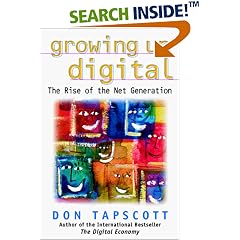 Dal sito del libro: CITAZIONE GROWING UP DIGITAL: The Rise of the Net Generation by Don Tapscott is an examination of the first generation to be bathed in bits since birth. These 88 million children of the baby boomers in the U.S and Canada are combining demographic muscle and digital mastery to become a force for social transformation.
In a nutshell, because of their access to the digitial media these young people learn, work, think, shop and create differently than their parents. There is no issue more important to parents, teachers, policy makers, marketers and social activists than understanding this new generation. All of the issues and summaries on this site come from Growing Up Digital, published by McGraw-Hill Inc. If your neighborhood bookstore or library needs to order copies, they will want the following information: Title: Growing Up Digital: The Rise of the Net Generation Author Don Tapscott Publisher: McGraw-Hill, New York ISBN: 0-07-063361-4 -------------------- |
|
|
|
|
20 Aug 2007, 12:36
Messaggio
#99
|
|
|
Gruppo: OldGamer Messaggi: 1.092 Iscritto il: 14 February 06 Da: Piacenza Utente Nr.: 2.051 busy librarian BGE DOTT Playing Batman: Arkham Asylum SO WinVista OGI Supporter |
 Dal sito delle Edizioni Anicia: CITAZIONE Vitali Luca
Il videogioco della scrittura. I diritti d'autore del bambino. ISBN: 88-7346-117-4 1993, pp. 192, Euro 12.91 Questo libro, scritto da un maestro genitore, intende invitare gli insegnanti (maestri eprofessori di scuola media) ad utilizzare il computer con i loro alunni come mezzo potente per l'elaborazione di testi, nel più breve tempo possibile e senza particolari conoscenze informatiche; e i genitori, che utilizzano il computer per lavoro, a coinvolgere i bambini nel suo uso: a) il piacere di farlo; b) diversificare e potenziare le vie scolastiche all'alfabetizzazione; c) limitare l'uso dei videogiochi come utilizzo principale del pc in casa. -------------------- |
|
|
|
|
3 Oct 2007, 09:22
Messaggio
#100
|
|
|
Gruppo: OldGamer Messaggi: 1.092 Iscritto il: 14 February 06 Da: Piacenza Utente Nr.: 2.051 busy librarian BGE DOTT Playing Batman: Arkham Asylum SO WinVista OGI Supporter |
 Titolo: Rez. Estetica del codice, arte del videogioco Autore/i: Cristiano Poian Info: Titolo: Rez. Estetica del codice, arte del videogioco Autore/i: Cristiano Poian Editore: Edizioni Unicopli Collana: Ludologica Pagine: 140 Prezzo: 15,90 euro Da Videoludica: CITAZIONE Fin dalla sua apparizione sul mercato nel 2001, seguita ad una lunghissima fase di sviluppo sotto il nome di K-Project, lo shooter musicale in terza persona per PS2 e Dreamcast edito da Sega e realizzato dalla nipponica United Game Artists, ha suscitato un generale imbarazzo nel mondo della critica videoludica. Il nuovo titolo ideato e progettato dal game designer Tetsuya Mizuguchi (responsabile di capolavori senza tempo quali Sega Rally, il suo seguito e Space Channel 5) e dal suo team di sviluppatori (composto tra gli altri da figure di rilievo come Jun Kobayashi e Ryutaro Sugiyama) si è dimostrato immediatamente e inesorabilmente impossibile da incasellare in una delle tradizionali categorie di classificazione generalmente condivise dalla maggior parte delle riviste del settore e dei portali web dedicati.
Per descrivere Rez sono state usate espressioni quali "sparatutto lisergico", "synesthetic game", "retroshooter - sequencer". Rez è un videogame, certamente, ma di sicuro non assomiglia a niente di già visto, pur basandosi sull'ipertradizionale impostazione degli retroshooter a scorrimento in avanti, su un determinato (e addirittura esiguo) numero di livelli da ripulire dai nemici di turno, con tanto di boss di fine livello da eliminare per passare allo schema successivo. Cristiano Poian analizza il videogame nell'ottica della costituzione definitiva di una prospettiva "nuova" (ludologia vs. semiotica del videogame), pensando a Rez non soltanto come insieme dei tre sistemi che, secondo Aarseth, compongono un fenomeno ergodico (creatore del sistema-fruitore-sistema ergodico), ma considerando secondo una nuova prospettiva anche la macchina che permette l'interazione tra le tre componenti in cui avviene il processamento in tempo reale dei dati (semiosi informatica) e la loro trasformazione da codice in struttura audiovisiva e interattiva. Poian propone di spostare la prospettiva da un approccio puramente antropocentrico riflettendo con maggiore attenzione anche sulle procedure di trasformazione e traduzione interne al computer. L'autore Cristiano Poian: Cristiano Poian è un giovane ricercatore videoludico. Nel 2001 ha conseguito la laurea con lode in Scienze della Comunicazione presso l'Università degli Studi di Trieste, con una tesi in Semiologia del Cinema dal titolo "Cinema e cyberspazio: le rappresentazioni di mondi virtuali nell'era della simulazione digitale". Dal 2000 al 2003 è stato direttore creativo del reparto multimedia di 1000 ASA new media agency, dove ho seguito e realizzato progetti di comunicazione per clienti nazionali ed internazionali. Ha ottenuto un Dottorato di Ricerca in Teoria, tecnica e restauro del cinema, della musica e dell'audiovisivo, presso il DAMS dell'Università degli Studi di Udine, con un progetto di ricerca sugli aspetti audiovisivi delle avanguardie artistiche della rete (dalla net.art al web cinema) e sull'estetica e poetica del codice digitale. Svolge attività didattica e seminariale presso il DAMS cinema, il Corso di Laurea in Relazioni Pubbliche e il master di secondo livello in Organizzazione e gestione di eventi dello spettacolo dell'Università di Udine. -------------------- |
|
|
|
|
1 utenti stanno leggendo questa discussione (1 visitatori e 0 utenti anonimi)
0 utenti:
| Versione Lo-Fi | Oggi è il: 10th November 2026 - 17:49 |